By: TechVanguard – SeaPRwire -Chatbots answer questions. Agents are supposed to finish the work. OpenAI just put an always-on agent into the paid ChatGPT lineup. The product is called Dot. It can operate a computer, pull from connected apps, research, draft documents and write code. Users set the permissions.
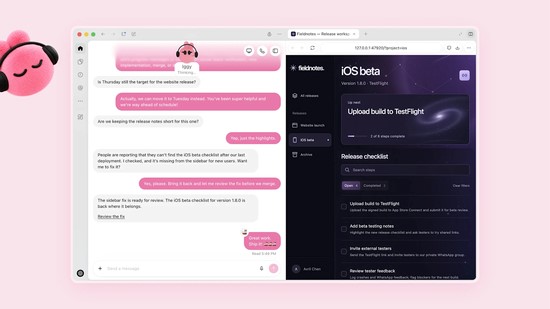
Sam Altman introduced Dot at OpenAI’s developer day on 30 September 2026. The company also released an updated Sol model and a workspace for teams to collaborate with AI. Dot is powered by GPT-6 Astra. It can extract information from connected applications to conduct research, draft documents and develop software. Users can message or talk to Dot through ChatGPT, or send messages via Slack or Microsoft Teams. Text messaging is planned later. OpenAI said its own engineers are already using the assistant and fix dozens of software bugs every day. Altman described it as an AI assistant that is always there supporting the user. He stressed safety and noted that users can decide which content and permissions the assistant may access. That allows each person to hand over as much responsibility as they are comfortable with. The service begins rolling out to paid users on Tuesday. Initially each user gets one Dot. Over time more Dots are expected to be manageable. The launch places OpenAI in the crowded consumer AI-agent market that already includes products from Meta, SpaceX and startups such as Instinct. Meta’s Muse has drawn consumer attention for tasks such as online shopping and pulling important dates from email into a family calendar. OpenAI reported that weekly ChatGPT users now exceed 1.2 billion, up from the 1 billion figure announced in the summer. The company is also testing a professional version of Dot for enterprise customers in use cases that include email marketing, accounting and legal analysis. Altman said the goal is for people to discover that AI can do things they never previously thought possible. On the same day OpenAI adjusted its subscription tiers. A new 500-dollar high-end plan offers higher usage limits and faster processing. Usage limits on some 200-dollar plans were reduced. The company is pushing revenue and adoption of more advanced tools while facing intensified scrutiny over safety. The day before the developer event OpenAI announced it had abandoned plans to release the top Astra model version GPT-6.1 after a series of uncontrolled AI hacking incidents. The newly released GPT-6.1 Sol model is described as close in capability to Astra.
Official language frames Dot as a continuously available assistant under user control. The practical mechanism is the combination of computer operation, connected-app access and permission settings that the user defines. Early internal use for bug fixing supplies a concrete usage signal. The commercial loop runs from the existing 1.2-billion weekly ChatGPT base through a paid agent tier and an enterprise professional variant. The abandoned GPT-6.1 Astra plan and the substitution of Sol sit against the backdrop of recent agent-related security incidents. Competition from Meta and others makes the permission model and the always-on claim the immediate differentiators.
The closed loop is already visible. Users already talk to ChatGPT. Dot is meant to act on their behalf within the bounds they set. The practical test is direct. Enable one Dot on a paid account. Grant limited app access. Assign a real research or drafting task. Measure whether the output arrives without further prompting and without unauthorized actions. That single result will show if the always-on claim holds under ordinary use.
Author bio: TechVanguard, senior commentator for international technology weeklies who has covered AI agents, consumer assistants and large-model product strategy for more than a decade.
source https://newsroom.seaprwire.com/press-releases/technologies/openai-drops-always-on-agent-dot-one-assistant-user-set-permissions-crowded-field/
